Understanding Wildlife Exploitation
Updated: Aug 21
KANDOLA WILDLIFE
The illegal wildlife trade is a major form of transnational organized crime. It operates across international borders through organized supply chains that connect local poachers to global buyers. But poaching is only the beginning of a much larger system.

Photo by Sam Tsang / South China Morning Post
Poachers are the first link in the chain, paid to kill or capture wildlife. In regions affected by poverty, instability, or limited economic opportunity, criminal networks exploit vulnerable communities by offering money in exchange for animal parts or live animals.
Wildlife products are then transported through illegal trade routes by traffickers and intermediaries. Ivory, rhino horn, exotic skins, scales, and live animals are often concealed within shipping containers or mixed among legal goods. Some are moved across porous borders using falsified documents, corruption, and bribery.
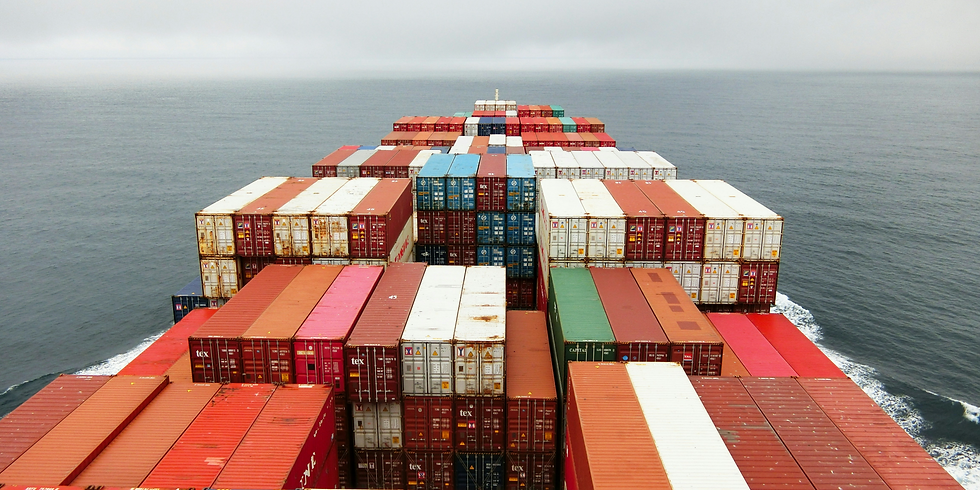
Organized crime networks play a major role. These networks profit through money laundering, bribery, and smuggling operations. These networks may also intersect with other forms of organized crime, including money laundering, corruption, drug trafficking, and the trafficking of other illicit goods.
This vast global machine has one critical point of failure: the consumer. Consumer demand is one of the forces sustaining this supply chain. Reducing demand can weaken the markets that make wildlife trafficking profitable.
The Impact

Wildlife exploitation is not only a conservation issue. It harms biodiversity, destabilizes ecosystems, fuels corruption, damages vulnerable communities, and pushes endangered species closer to extinction. When species are removed from their environments, it can lead to unforeseen consequences. For instance, the decline of a predator can cause an overpopulation of prey species, which in turn can devastate vegetation and alter landscapes.
Biodiversity underpins healthy ecosystems, and species interact with their environments in complex and often interconnected ways. The loss of even a single species can have a ripple effect. It can disrupt food chains and lead to the decline of other species. This loss of biodiversity can ultimately affect human health and livelihoods.
Wildlife exploitation also has economic implications. Many communities rely on these animals for their livelihoods. Ecotourism, for example, is a significant source of income in many regions. When wildlife populations decline, so do the economic opportunities for local communities.
Wildlife holds cultural significance for many communities. Traditional practices and beliefs often revolve around local wildlife. The loss of these species can erode cultural heritage and identity. It can also lead to conflicts within communities as resources become scarce.
We can all play a role in combating wildlife exploitation.
Awareness is the vital first step, but true change requires collective momentum. By deeply understanding the issues surrounding the wildlife trade, we can actively dismantle it. Start by sharing this knowledge within your own circles. Use your voice and social media platforms to expose these issues, because widespread public pressure forces policy changes. You can directly counter this crisis by supporting dedicated conservation organizations through strategic donations, volunteering, and hands-on advocacy. Be mindful of your consumption habits and avoid products that contribute to exploitation. This includes items made from endangered species or those that support the trade. Choose sustainable and ethical alternatives whenever possible. Finally, use your civic power to advocate for stronger international laws and stricter anti-trafficking enforcement. Contact your local representatives, demand accountability, and champion policies that protect critical habitats.
Wildlife exploitation remains a complex global crisis that requires urgent attention. By understanding the illegal wildlife trade we can take meaningful steps toward conservation. Together, we can protect endangered species and preserve our planet's beautiful biodiversity.


