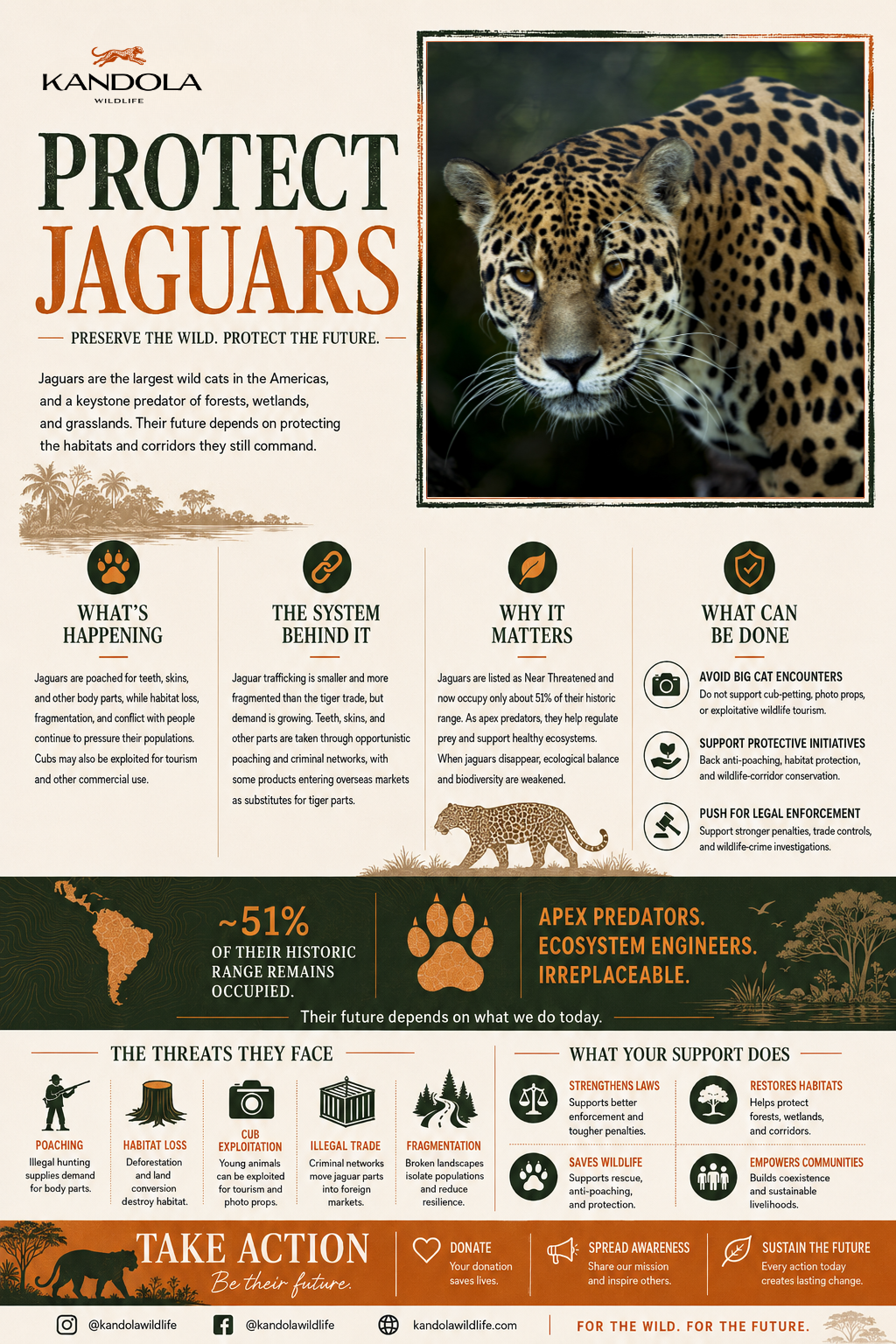
Photo by Nelson Almeida
Jaguar
The guardian of the rainforest.
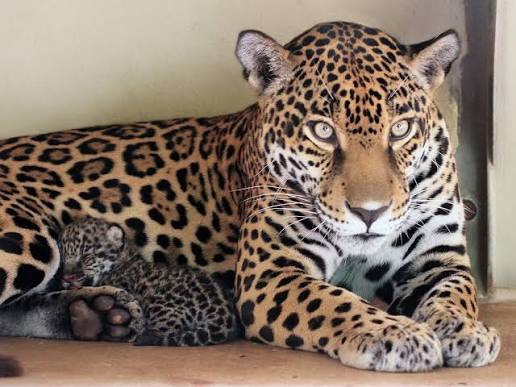
The majestic jaguar is a symbol of power for many Latin-American cultures, featured prominently in the mythology of indigenous people of the Americas, including those of the Aztec and Maya civilizations. It represents the power of nature and is seen as the protector of the rainforest. The jaguar is the largest cat in the Americas and the third-largest in the world, right after tigers and lions.
The modern jaguar (Panthera onca) has been on Earth for about 510,000 to 850,000 years. The earliest definitive fossils of modern jaguars date back around 850,000 years in North America.
Scientific Name: Panthera onca
Wild Population: Approximately 64,000–72,000
Current Population Trend: Decreasing
Historic Range Loss: Approximately 49%
Habitat: Tropical rainforest, wetlands, grasslands, and dry forest
Social Structure: Solitary
Lifespan: 12–15 years in the wild
Weight: Males 57 to 113 kg (125 to 250 lbs) Females 34 to 91 kg (75 to 200 lbs)
Top Speed: Up to 80 km/h (50 mph)
Diet: Carnivore
Jaguars are listed as Near Threatened on the IUCN Red List, with populations declining across much of their range.
About Jaguars
The jaguar is a solitary, territorial predator and primarily nocturnal. However, the jaguar can also be active during the day. It is an excellent swimmer and can cross wide streams and readily catch fish, capybaras and caimans in the water and is thought to attract fish with its tail.
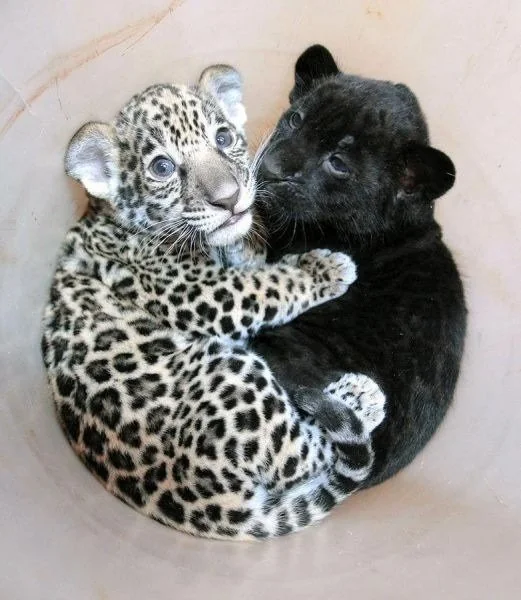
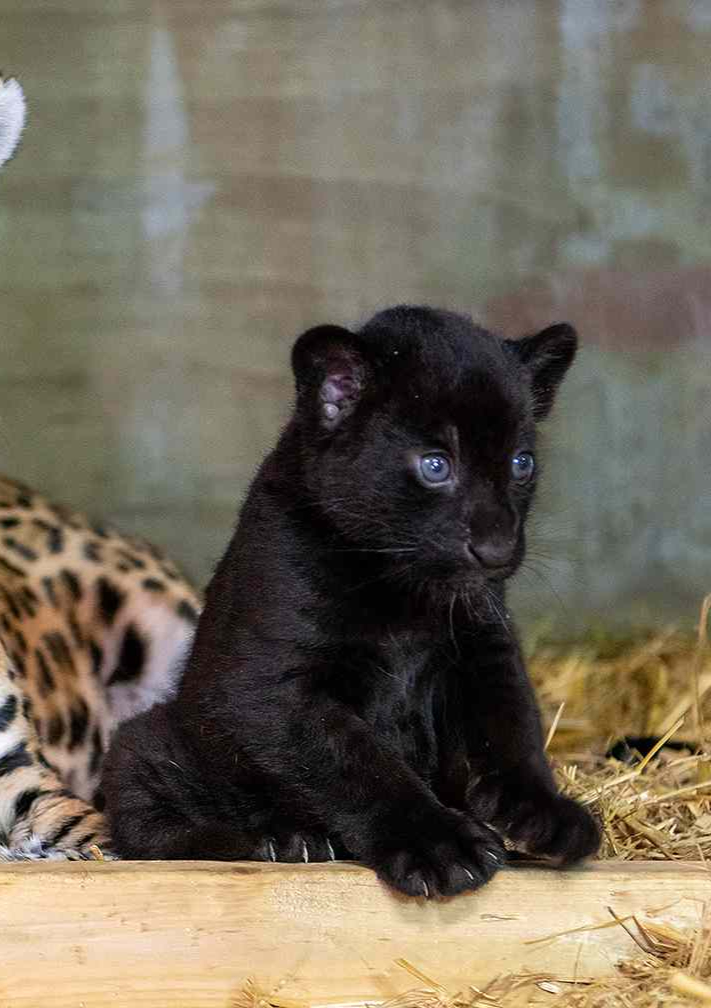
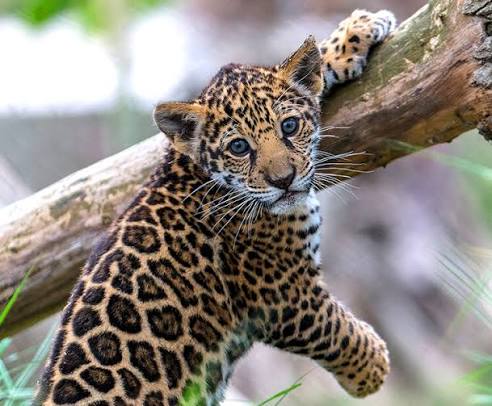
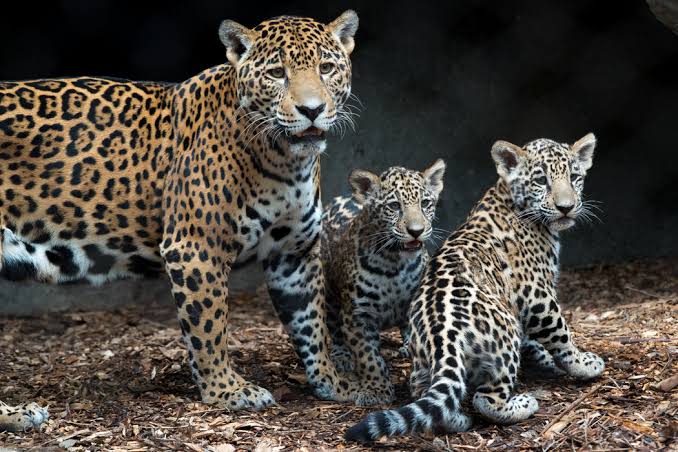
The jaguar has a compact body, a wide head, and powerful jaws. At first sight, the coat of the jaguar resembles that of the leopard, but the pattern is different: the jaguar has larger, broken-edged rosettes around one or more small black spots. The coat is usually yellow and tan, but colours can range from black to reddish brown. The jaguar is considered a monotypic species, meaning no living subspecies are formally recognized, although genetic differences exist among populations across its range. Therefore, Jaguars often referred as "black panthers," are not a separate subspecies or species, but rather a genetic colour morph. Melanism is caused by a recessive gene and is most commonly seen in dense, tropical forest habitats.
While most big cats aim for the throat, the jaguar is a skull-crusher with a bone-shattering bite capable of piercing the armour of caimans, turtle shells, and mammal skulls. More than 85 prey species have been recorded in the jaguar’s diet, including deer, capybaras, peccaries, sloths, monkeys, and armadillos.
The word "jaguar" comes from a Native American word "yajuar”, meaning "he who kills with one leap".
%20(3)_edited.jpg)
_edited.jpg)
_edited.jpg)
%20(3).png)
%20(3)_edited.jpg)


The Next Generation
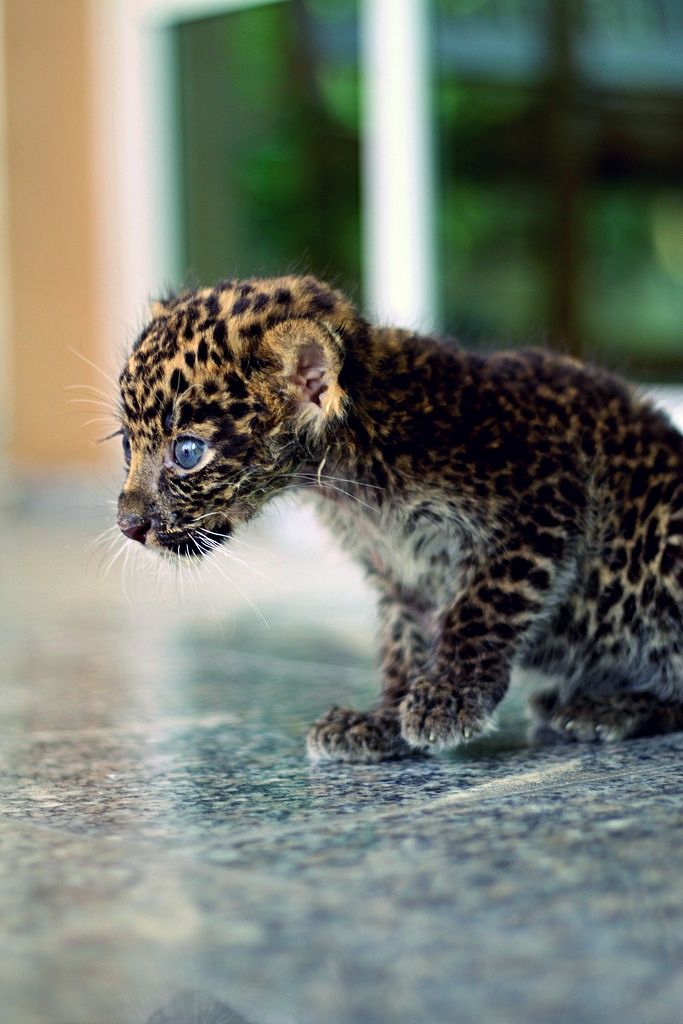
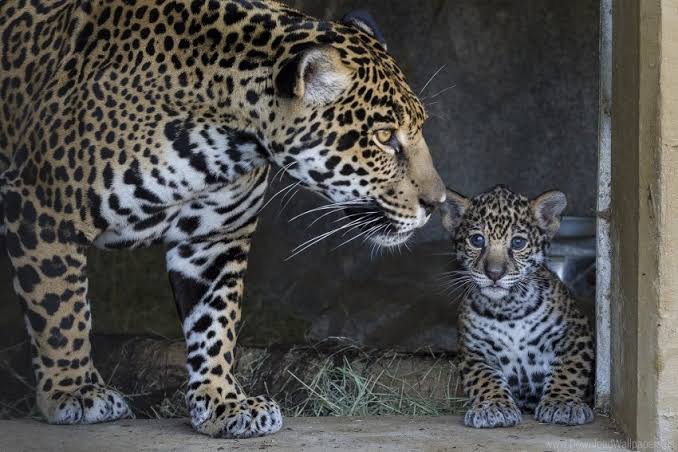
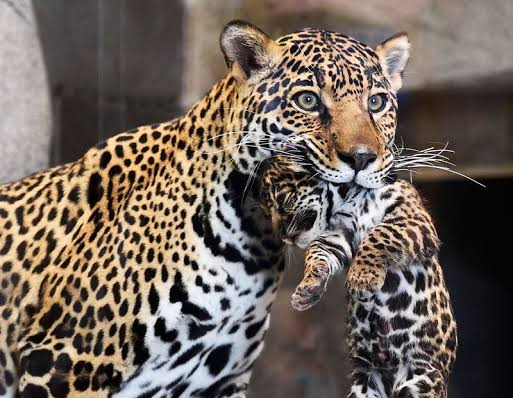
After a three-month pregnancy, a jaguar mother finds a safe hiding spot like a cave or thick river plants to give birth to a litter of one to four helpless cubs. Because the cubs are born blind, the mother raises them completely on her own, moving them often to keep them hidden from danger. When the cubs are three months old, they leave the den to start learning from their mother. Unlike most other cats, jaguars love the water, so the mother spends a lot of time teaching her cubs how to swim, move through muddy forests, and hunt for food like fish and turtles. The young jaguars live with their mother for about two years, practicing these skills until they are grown up enough to live on their own.
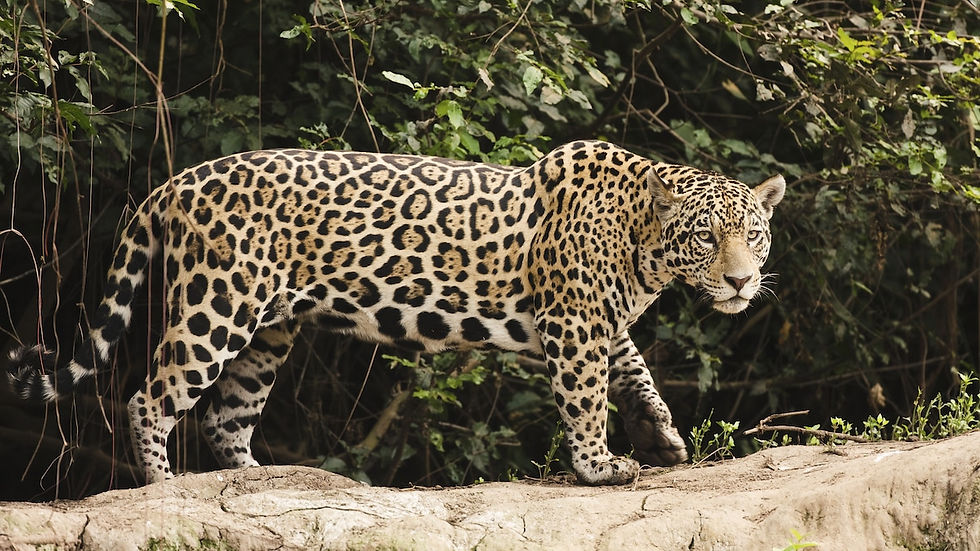
Photo by Jami Tarris
Where They Roam
Jaguars now occupy approximately 51% of their historical range. They once roamed from the Grand Canyon in the southwestern United States down to the central plains and Patagonia in Argentina. Jaguars live primarily in Central and South America, with major strongholds in Brazil’s Amazon rainforest and the Pantanal, extending north into Mexico. Occasional dispersing males are still recorded in the southwestern United States.
Jaguars are considered regionally extinct in El Salvador and Uruguay and have been eradicated from over half of Mexico. In the United States, they were largely hunted out by the 1960s.

The Amazon is the largest tropical rainforest on Earth, spanning 6.7 million square kilometers across nine South American countries.


Photo by Markus Mauthe
The Amazon is the largest tropical rainforest on Earth, spanning 6.7 million square kilometers across nine South American countries.
The Pantanal is the world's largest tropical wetland, spanning parts of Brazil, Bolivia, and Paraguay.
Why Jaguars Matter
Jaguars are essential to the health of the Americas. As the largest big cat in the region, they serve as an apex predator and keystone species. They play an important role in controlling the populations of other species. This helps keep a balance in the food chain, and a healthy environment. Without them, entire ecosystems—from the Amazon rainforest to the Pantanal wetlands—face severe ecological imbalances.
Threats
Habitat Loss and Fragmentation
Agricultural expansion, illegal logging, and mining drastically shrink living spaces. Roads and urban development cut through vital wildlife corridors, dividing populations into isolated groups which limits their ability to mate and hunt.
Human-Jaguar Conflict
As human settlements and grazing lands encroach on ancient forests, jaguars face a decline in their natural prey. This often forces them to target domestic cattle, prompting ranchers and farmers to resort to retaliatory killings to protect their livelihoods and out of fear for their safety.
Illegal Wildlife Trade
Despite being protected by international law, poaching for body parts remains a prevalent concern. Jaguar teeth, claws, and bones are actively trafficked for cultural decorations, traditional medicine, and as substitutes for tiger parts in illicit markets.

The Illegal Wildlife Trade
What’s Happening . . .
The System Behind It . . .
Jaguars are poached to supply an illegal international trade in their teeth, skins, and other body parts. Traffickers target them for foreign markets, where jaguar parts are used in traditional medicine, as status symbols, and sometimes as substitutes for tiger parts.
Unlike lions and tigers, jaguars are not widely bred in commercial wildlife facilities. They are often exploited through roadside cub-petting attractions or used as photo props. This industry exists because of high financial rewards and organized poaching rings operating in areas with weak enforcement and inconsistent protection across parts of their range.
Why It Matters . . .
Jaguars are listed as Near Threatened, with populations declining across much of their range. Poaching adult Jaguars for their parts and capturing cubs for exploitative tourism removes vital apex predators from ecosystems, weakening the overall balance and biodiversity of the Latin American habitats they roam.
What Can Be Done . . .
Avoid big cat encounters: Do not support facilities or take photos with big cats.
Support protective initiatives: Back organizations working on regional anti-poaching and corridor-preservation strategies, such as Panthera's Jaguar Program and IFAW's Operation Jaguar.
Push for legal enforcement: Demand the implementation of stronger, multinational trade restrictions.
The guardian of the forest must never vanish.


.png)
Community Conservation
Engaging ranchers and local communities is vital to reducing retaliatory killing, implementing non-lethal livestock protection tools, and fostering sustainable coexistence between humans and big cats.
Conservation Efforts
Amazon Rainforest
The Amazon Rainforest is partially protected, but it faces a severe funding and enforcement crisis.
The Good News: Roughly 50% of the Amazon basin is legally designated under some form of protection, split between official Conservation Units/national parks and Indigenous Territories. Studies show that these designated zones are highly effective, preventing massive amounts of deforestation compared to unprotected lands. Furthermore, collaborative regional policies have successfully driven overall Amazon deforestation rates down significantly.
The Reality: Despite legal status, the Amazon suffers heavily from "paper parks"—protected areas that exist on paper but lack the budget or rangers to stop illegal activity. Amazonian protected areas face an average funding deficit of nearly 80%, receiving only a fraction of the money needed to stop well-armed, illegal syndicates. As a result, hundreds of thousands of hectares of protected and Indigenous land are still illegally cleared every year for mining, logging, and cattle ranching.
Pantanal
This wetland is largely private ranch land rather than federally protected parks. However, massive strides are happening: governments recently expanded national parks here by over 250,000 acres to secure core jaguar habitat. Local ecotourism organizations like Onçafari have made jaguars more valuable alive to landowners than dead, turning the region into a highly effective stronghold.
Jaguar Corridor Initiative
This is a blueprint for survival, not a single massive park. Because jaguars cannot survive in isolated pockets of habitat, Panthera’s Jaguar Corridor Initiative works to connect core populations from Mexico to Argentina through protected areas, community lands, ranches, and other human-dominated landscapes. The goal is to keep these pathways open so jaguars can move, find mates, and maintain genetic diversity across their range.
Regional Action Plan for Jaguar Conservation
In 2025, all 19 jaguar range states adopted a coordinated regional action plan to strengthen habitat connectivity, reduce illegal killing, improve population monitoring, and support coexistence between jaguars and local communities across the Americas.