Photo by Steve Winter / National Geographic
Tiger
The world's largest wild cat.
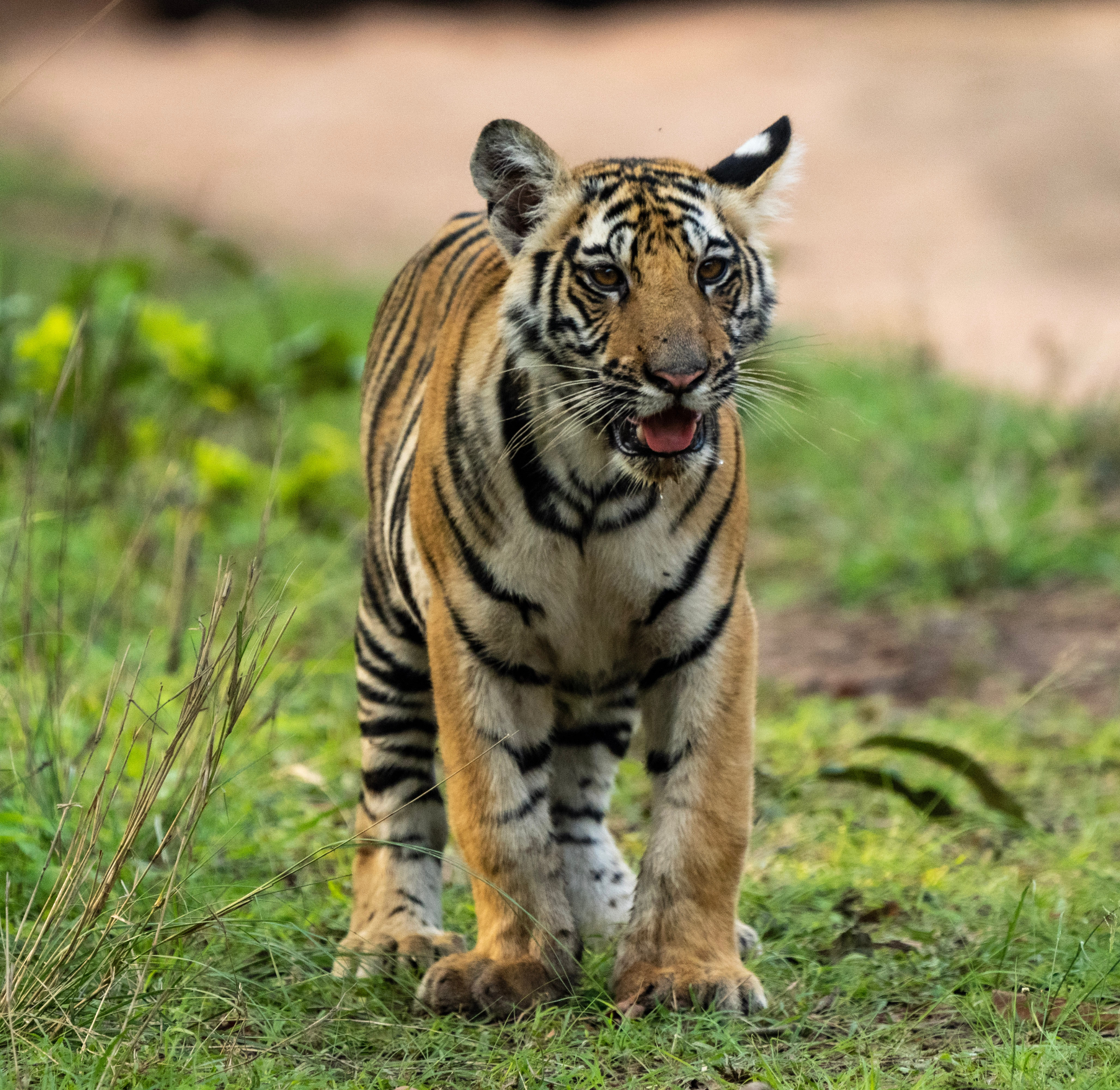
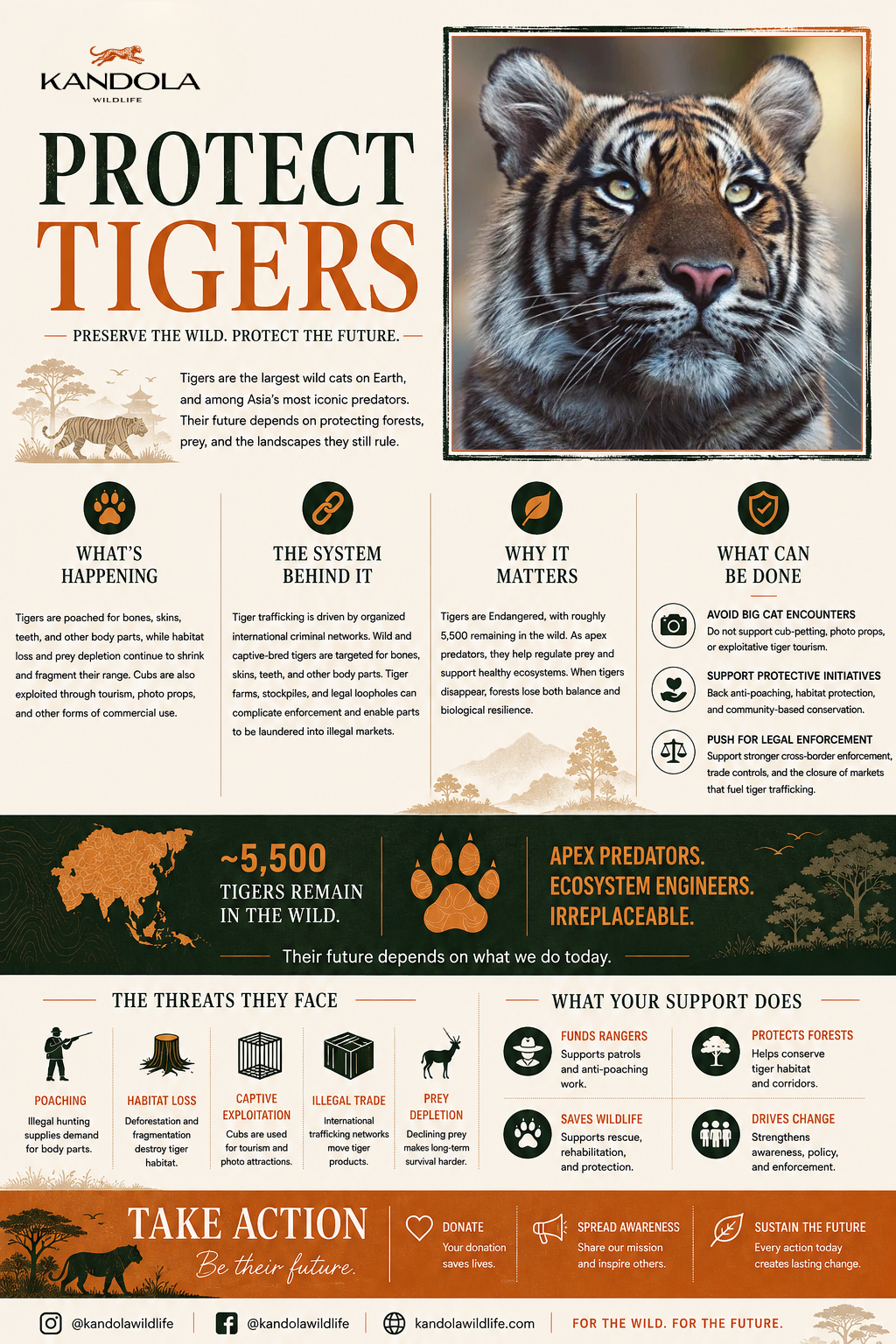
Easily recognized by its coat of reddish-orange with dark stripes, the tiger is one of our world’s most iconic animals. While tigers are ubiquitous in culture, sports and entertainment, they are much rarer in the wild and are now close to extinction. Around 5,500 tigers are estimated to remain in the wild, a significant decline from around 100,000 a century ago. India is home to more than 70% of the world’s remaining wild tigers.
Tigers have existed on Earth for about 2 million years. However, the modern tiger as we know it (Panthera tigris) is a more recent species, with all living tigers sharing a common ancestor that lived between 72,000 and 108,000 years ago.
Scientific Name: Panthera tigris
Wild Population: Approximately 5,500
Current Population Trend: Decreasing
Historic Range Loss: Over 95%
Habitat: Tropical rainforests, evergreen forests, temperate forests, mangrove swamps, grasslands, and savannas
Social Structure: Solitary
Lifespan: 10–15 years in the wild
Largest Subspecies: Siberian tiger
Weight: Males 100 to 310 kg (220 to 680 lbs) Females 75 to 170 kg (165 to 375 lbs)
Top Speed: Up to 65 km/h (40 mph)
Diet: Carnivore

Tigers are listed as endangered on the IUCN Red List.
_edited.jpg)
.png)
_edited.jpg)
About Tigers
Throughout history, tigers have represented royalty, bravery, and protection. They are highly revered in many Asian societies and remain one of the world’s most recognizable animals. Unlike most small or big cats, tigers love the water and can swim several kilometres. They are exceptionally strong swimmers and use rivers to cool off, travel, and hunt. They typically hunt alone and stalk prey. Aside from mothers raising their cubs, tigers are solitary. On average, tigers give birth to two to four cubs every two years.
As strict carnivores, they rely on stealth and power to ambush prey such as deer, antelope, and wild boar. Tigers can consume more than 80 pounds of meat at one time.


The Next Generation
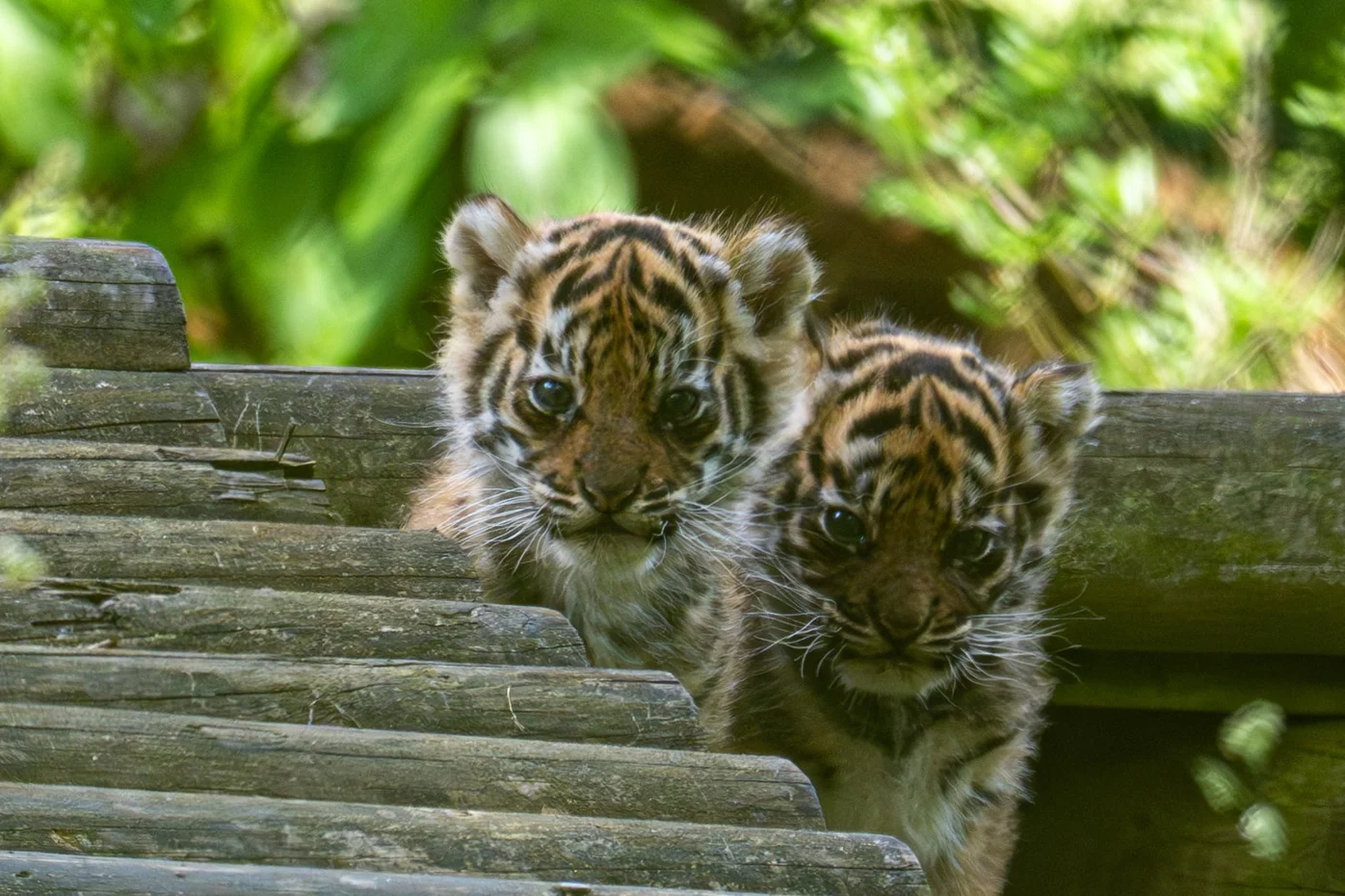
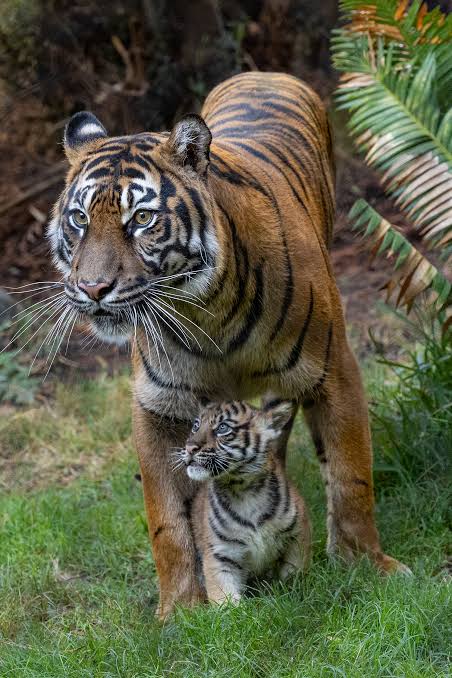
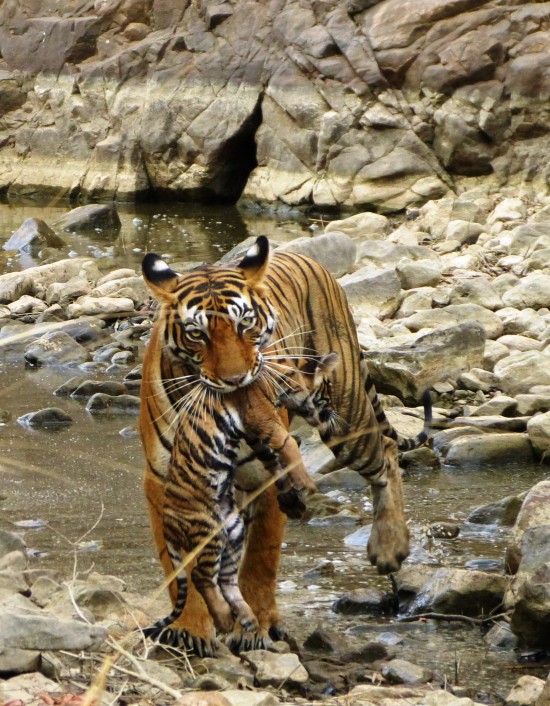
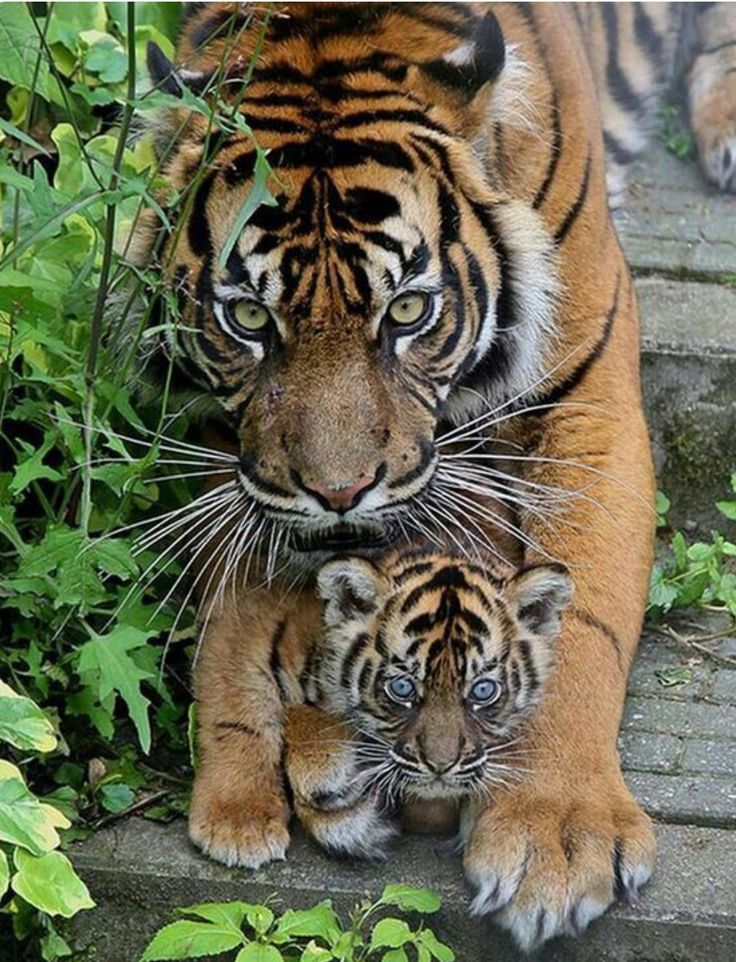
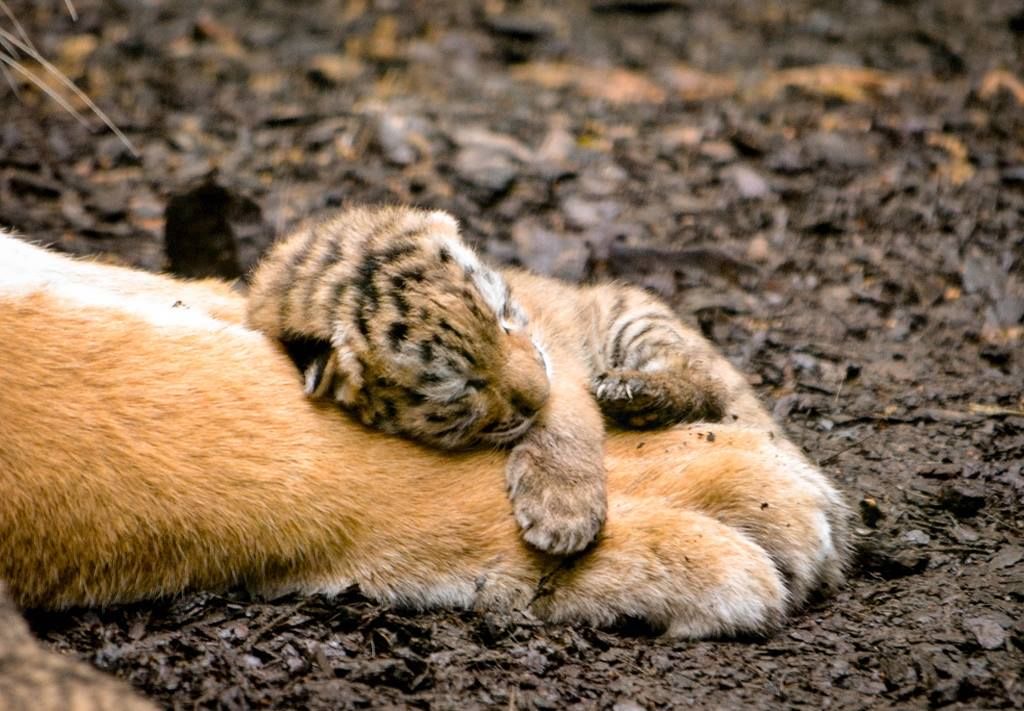
After a three-and-a-half-month pregnancy, a tigress finds a well-hidden den, like a rocky cave or thick brush, to give birth to a litter of two to four helpless cubs. Because the cubs are born completely blind and weigh only about two pounds, the mother is fiercely protective, leaving them only for short periods to hunt. Unlike lions, tigers are solitary, so the mother must raise and protect her cubs entirely on her own. Around two months of age, the cubs begin eating meat and start following their mother out of the den to learn the ways of the forest. They practice stalking and pouncing through playful wrestling with their siblings, but they remain dependent on their mother's hunting skills until they are about two years old, at which point they venture off to establish their own territories.
_edited.jpg)
Photo by Steve Winter / National Geographic
Where They Roam
Tigers have lost an estimated 95% of their historical range and now occupy less than 5% of the territories they once roamed. Wild tigers now survive in scattered populations across parts of South, Southeast, and East Asia, including India, Nepal, Bhutan, Bangladesh, China, Russia, Thailand, Malaysia, Indonesia, and Myanmar.

The Amazon is the largest tropical rainforest on Earth, spanning 6.7 million square kilometers across nine South American countries.


The African savanna in Tanzania
Photo by Emmanuel Rondeau / WWF-UK
Why Tigers Matter
Tigers play a crucial role as apex predators in Asian ecosystems. By regulating herbivore numbers, they help prevent overgrazing, thereby safeguarding plant life and watersheds. Additionally, as a "flagship species," the conservation of tigers helps to protect extensive landscapes that store carbon, support countless other species, and provide water to millions of people.
Threats
Habitat Loss and Degradation
Tigers have lost up to 95% of their historical range due to human activity, agriculture expansion, and urban development. Prey Depletion: The destruction and fragmentation of forests result in a significant reduction of natural prey for tigers, which disrupts their ability to thrive.
Climate Change
In coastal regions such as India's Sundarbans, the encroaching waters are diminishing the habitats of coastal tigers, compelling them to move nearer to human settlements. This shift brings these majestic creatures into closer contact with populated areas, raising concerns about their survival and the safety of local communities.
Human-Tiger Conflict
With the loss of their natural hunting territories, tigers are increasingly compelled to prey on domestic livestock. This situation prompts local communities, reliant on these animals, to retaliate by killing or capturing the tigers. Urban expansion leads to closer interactions between humans and tigers, heightening the risk of conflict and resulting in the removal of so-called "conflict tigers" from the wild.
Poaching and Illegal Wildlife Trade
Tiger bones, skins, teeth, claws, whiskers, and other body parts are trafficked for use in traditional medicine, luxury goods, and as status symbols. Organized transnational criminal networks profit from this trade, turning tigers into commodities in a highly lucrative black market.

The Illegal Wildlife Trade
What’s Happening . . .
The System Behind It . . .
Tigers are aggressively poached from the wild and intensively mass-bred in commercial "tiger farms" across Asia to supply a massive black market. Their skins are sold as luxury rugs, while their teeth, claws, and bones are coveted as status symbols and ingredients for traditional tonics.
An estimated 5,000 to 7,000 captive tigers are held in private facilities, heavily outnumbering the global wild population. Some commercial breeding facilities operate under the guise of zoos or conservation centres, while captive-bred and wild-sourced tiger parts can enter the same illegal supply chains. Organized criminal networks exploit weak cross-border enforcement and use legal captive markets to launder wild-caught tigers, undermining international restrictions on commercial trade in tiger parts and derivatives.
Why It Matters . . .
Fewer than 6,000 tigers survive in the wild. Every poached tiger disrupts local prey populations, threatens the genetic diversity of an entire landscape, and pushes this iconic apex predator closer to total extinction in countries like Cambodia, Laos, and Vietnam where they are already functionally extinct.
What Can Be Done . . .
Boycott tiger attractions: Avoid any facility offering cub petting, photo ops, or tiger shows.
Report illegal products: Refuse to purchase traditional medicines, wines, or jewelry containing tiger elements. Support monitoring efforts led by TRAFFIC, the wildlife trade monitoring network.
Back landscape protection: Support initiatives that secure wild habitats and fund anti-poaching rangers.
The roar should never become history.


.png)
Conservation Efforts
Ranthambore National Park (Rajasthan, India)
Subspecies: Bengal Tiger
Conservation Focus: Habitat restoration, community integration, and strict anti-poaching. Located in a dry deciduous forest famous for its ancient ruins, Ranthambore was one of the original reserves in India’s 1973.
Success: Tiger populations have rebounded dramatically from the low levels recorded in the early years of Project Tiger. The park successfully relocated core-zone villages to create undisturbed habitats, and now routinely relocates excess tigers to repopulate other preserves. Local initiatives by groups like Tiger Watch heavily focus on grassroots anti-poaching.
Bandhavgarh National Park (Madhya Pradesh, India)
Subspecies: Bengal Tiger
Conservation Focus: High-density ecology and extensive forest regeneration.
Success: Nestled in the Vindhya hills, Bandhavgarh is renowned for having one of the highest tiger densities globally. Its history includes former royal protection, followed by the establishment and expansion of protected core and buffer habitat. Ongoing habitat restoration focuses on rehabilitating degraded lands through organic tree nurseries and reforestation training.
Sundarbans (India & Bangladesh)
Subspecies: Bengal Tiger
Conservation Focus: Transboundary management, mangrove protection, and human-tiger conflict mitigation.
Success: As the world's largest contiguous mangrove forest, the Indian Sundarbans recorded approximately 101 tigers in the 2022–2023 assessment. The IUCN World Heritage Outlook notes that robust joint patrolling and community-based village tiger response teams have dramatically reduced poaching and retaliatory human-wildlife conflict. WWF India has also installed ‘tiger fences’ separating villages from mangrove habitat, eliminating human-stray incidents in targeted areas.
Bardia National Park (Nepal)
Subspecies: Bengal Tiger
Conservation Focus: Wildlife corridors, anti-poaching, and repopulation of degraded habitats.
Success: Bardia is a major conservation success story, with its tiger population rising from just 18 in 2009 to 87 in Nepal’s 2022 tiger assessment. The recovery has been powered by community-based anti-poaching units (CBAPUs) and restoring the Khata Corridor—a critical approximately 24-kilometre corridor that connects Bardia in Nepal with the Katarniaghat Wildlife Sanctuary in India to maintain genetic diversity.
Sikhote-Alin Nature Reserve (Primorsky Krai, Russia)
Subspecies: Amur (Siberian) Tiger
Conservation Focus: Vast-landscape protection, intensive radio-tracking, and wild prey conservation.
Success: Located in the remote Russian Far East, this strict nature reserve (zapovednik) accounts for 4% of the Amur tiger's remaining habitat. The Wildlife Conservation Society (WCS) founded the Siberian Tiger Project here in co-operation with the reserve, making it the longest-running telemetry-based tiger research effort in the world. Research based in the Sikhote-Alin landscape has also helped pioneer the successful rehabilitation and release of orphaned Amur tiger cubs into former tiger range in the Russian Far East.