Rhinoceros
Forgotten by time. Threatened by man.
Walking relics of the prehistoric age, rhinos have roamed the Earth for more than 50 million years, leaving their mark everywhere from ancient European cave art to centuries of human mythology. Surviving immense changes in climate, landscapes, and wildlife, these prehistoric, dinosaur-looking mammals now face one of the greatest conservation challenges of the modern era. Driven largely by the illegal trade in rhino horn, all five rhino species are threatened, with some populations pushed to the brink of extinction.
The modern rhino family (Rhinocerotidae) emerged roughly 26 million years ago.
Scientific Name: Family Rhinocerotidae
Wild Population: Approximately 26,700
Recorded Population: 500,000 (20th century)
Current Population Trend: Increasing for some species, declining for others
Habitat: Savannas, grasslands, shrublands, forests, and wetlands
Social Structure: Mostly solitary
Lifespan: 35–50 years
Weight: Males 800 kg to 3,000 kg (1,760 to 6,600 lbs) depending on the species | Females 500 kg to 2,000 kg (1,100 to 4,400 lbs)
Diet: Herbivore
Rhinos are among the world's most threatened mammals. Of the five surviving species, three are classified as critically endangered, one as vulnerable, and one as near threatened on the IUCN Red List.
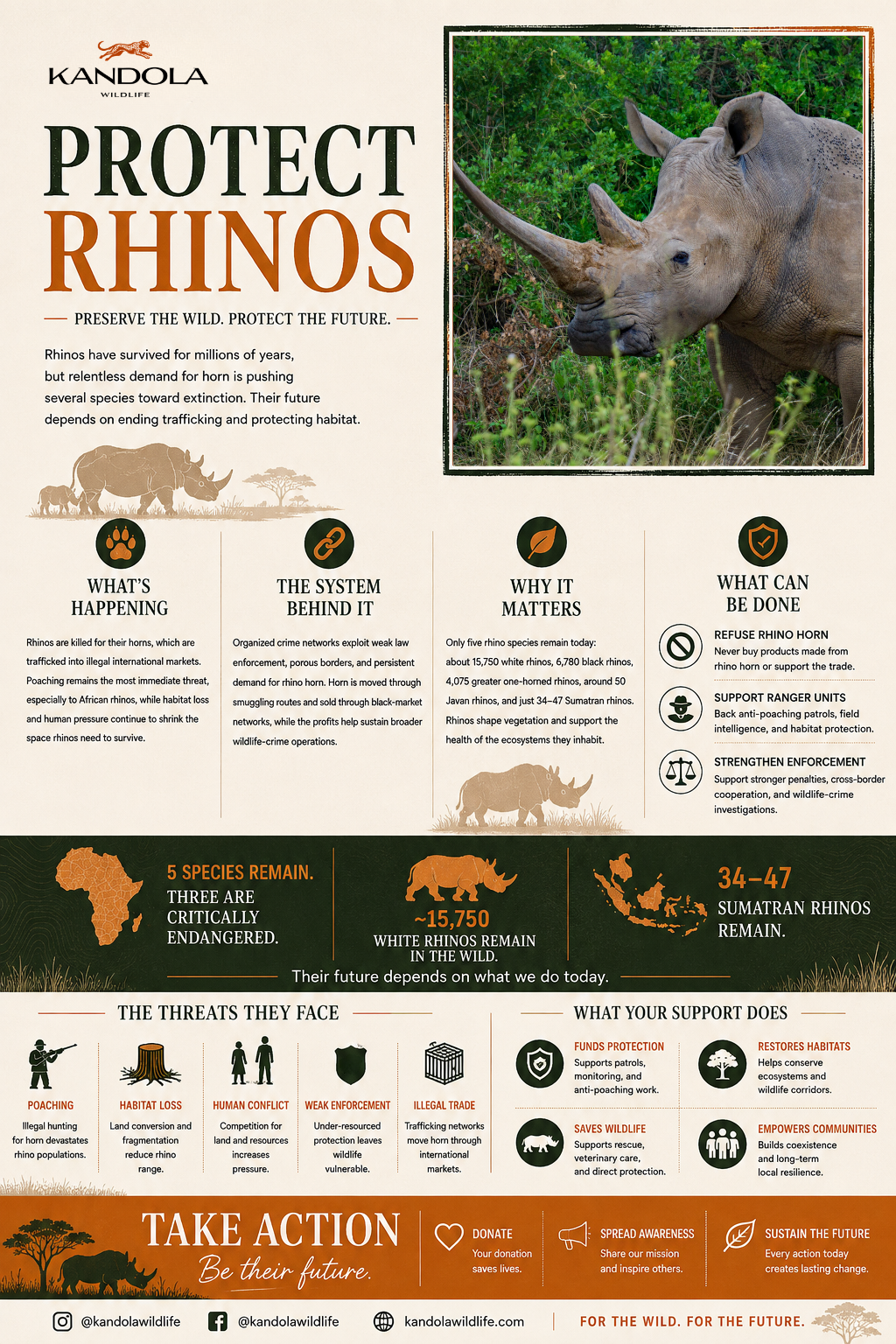
Today, approximately 15,752 white rhinos, 6,788 black rhinos, 4,075 greater one-horned rhinos, around 50 Javan rhinos, and just 34 to 47 Sumatran rhinos remain.
_edited.jpg)
_edited.jpg)


About Rhinos
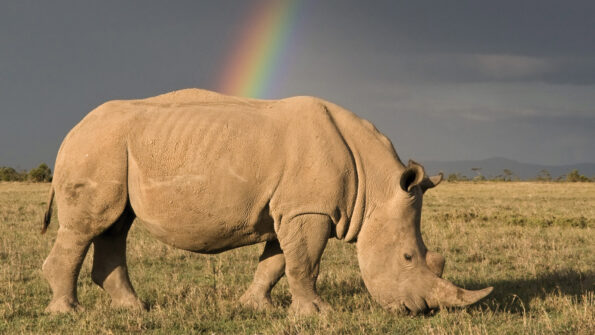
Despite their colossal size and formidable presence, rhinos are mega-herbivores. Spending the hottest hours of the day resting, these ancient mammals become most active during the cooler hours of dawn, dusk, and night, grazing across open plains or browsing dense vegetation.
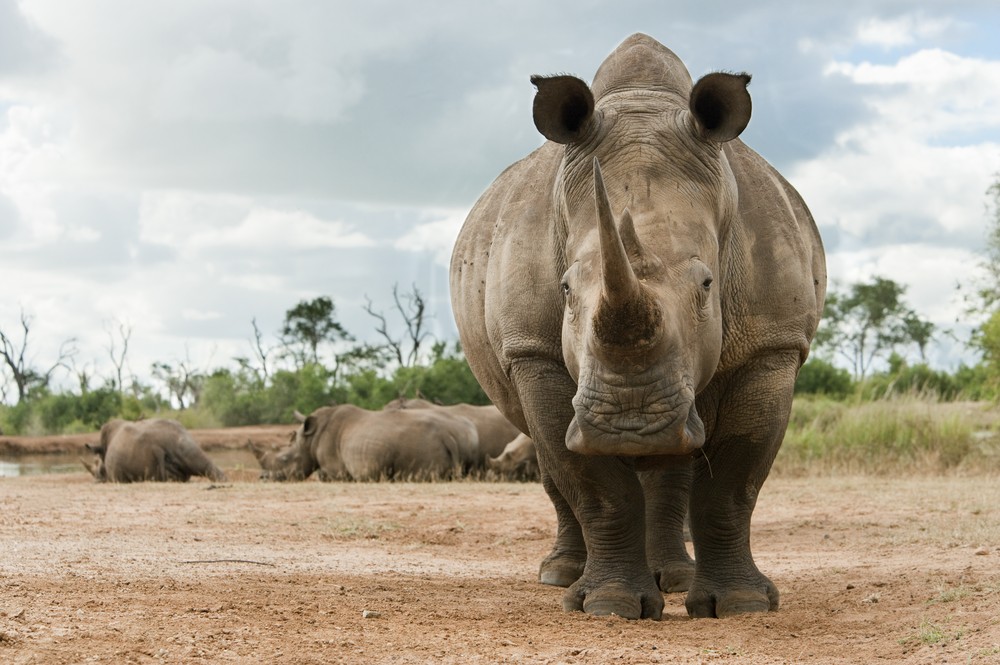
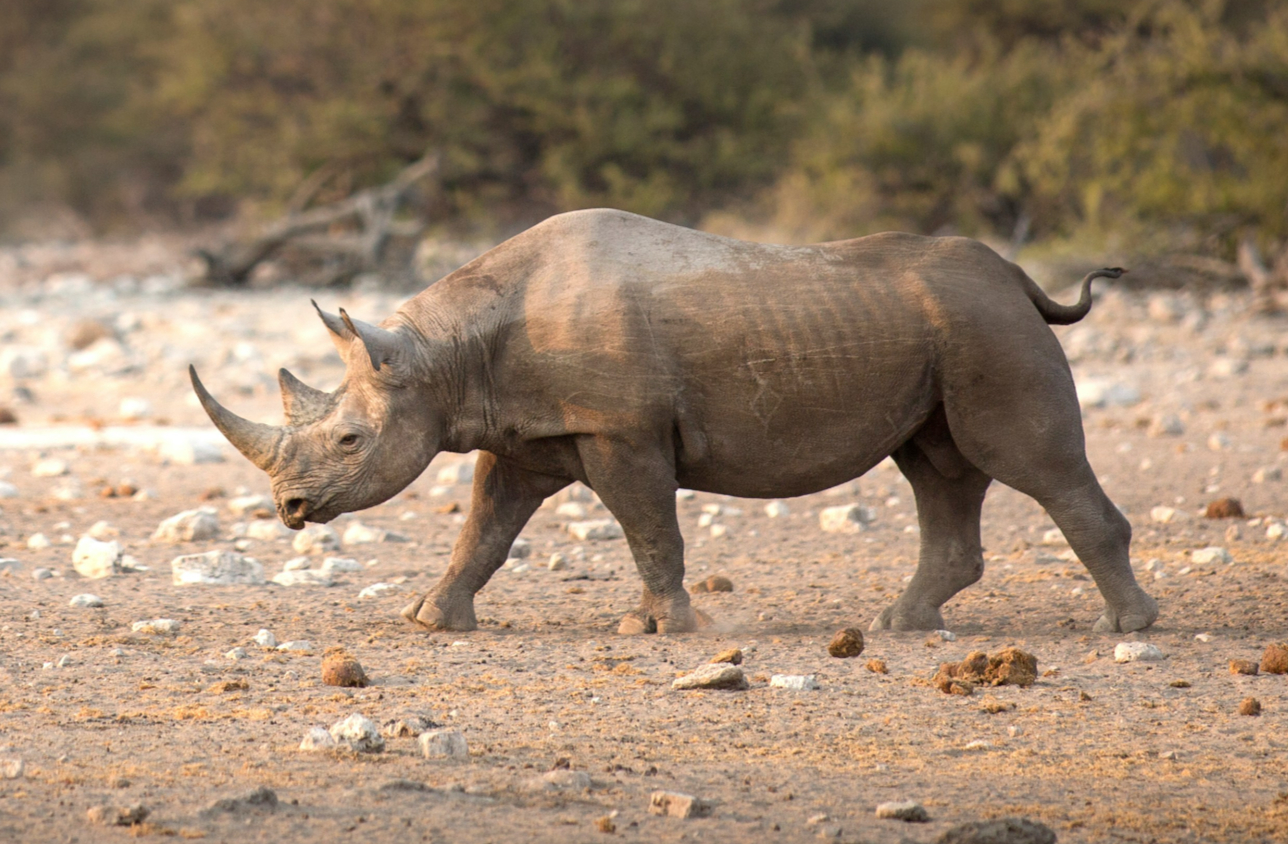
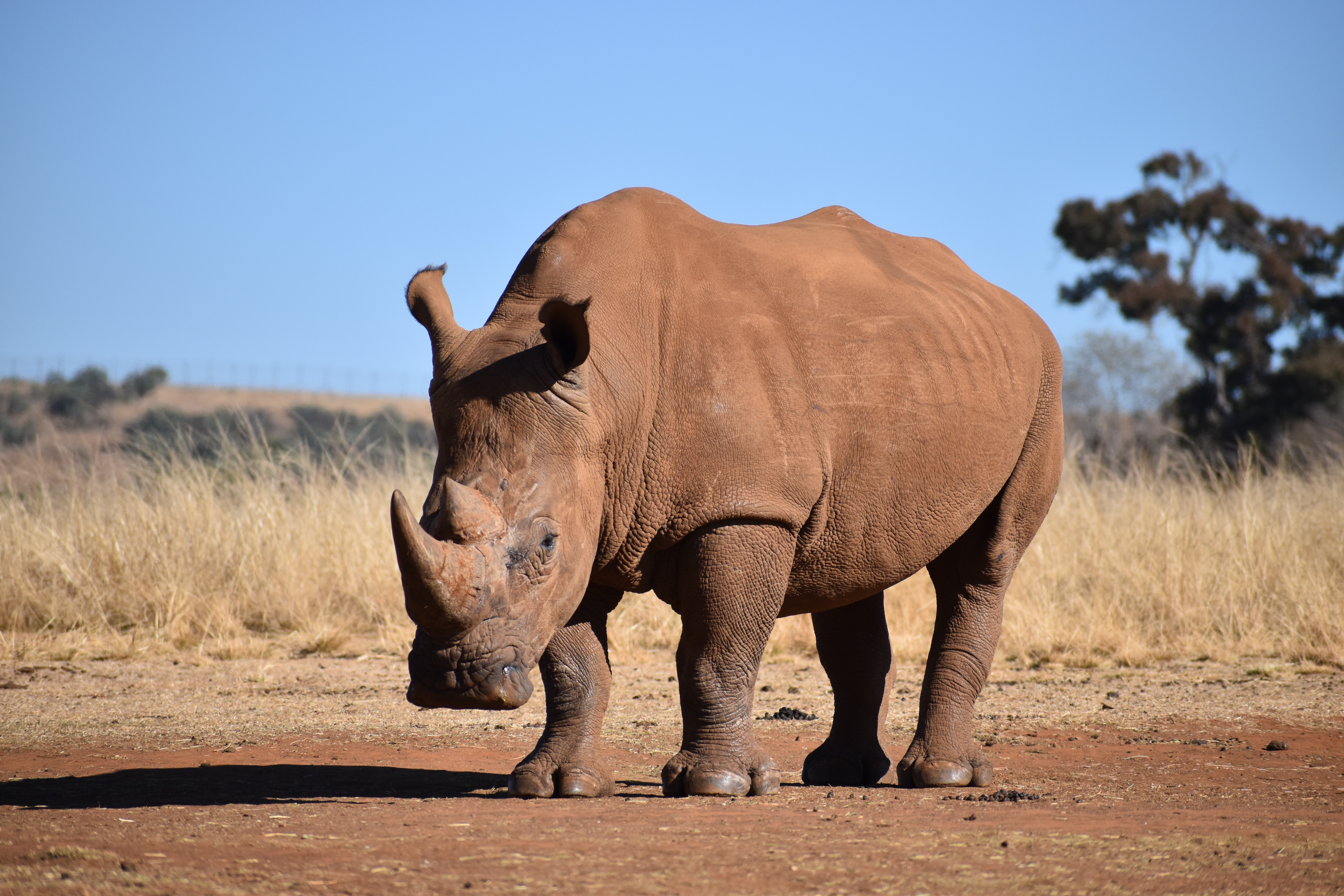
Rhinos are best known for the remarkable structures crowning their snouts, hence the name rhinoceros, meaning “nose horn.” Horn counts vary by species. Indian and Javan rhinos carry a single horn, while white, black, and Sumatran rhinos possess two. Unlike horns with a bony core, rhino horns are composed primarily of keratin, the same protein found in human hair and fingernails.
Protecting their massive bodies is thick, armor-like skin. Although their eyesight is relatively poor, rhinos possess an exceptional sense of smell and sharp hearing. When threatened, they can defy their enormous bulk, reaching speeds of up to 55 km/h with surprising agility.
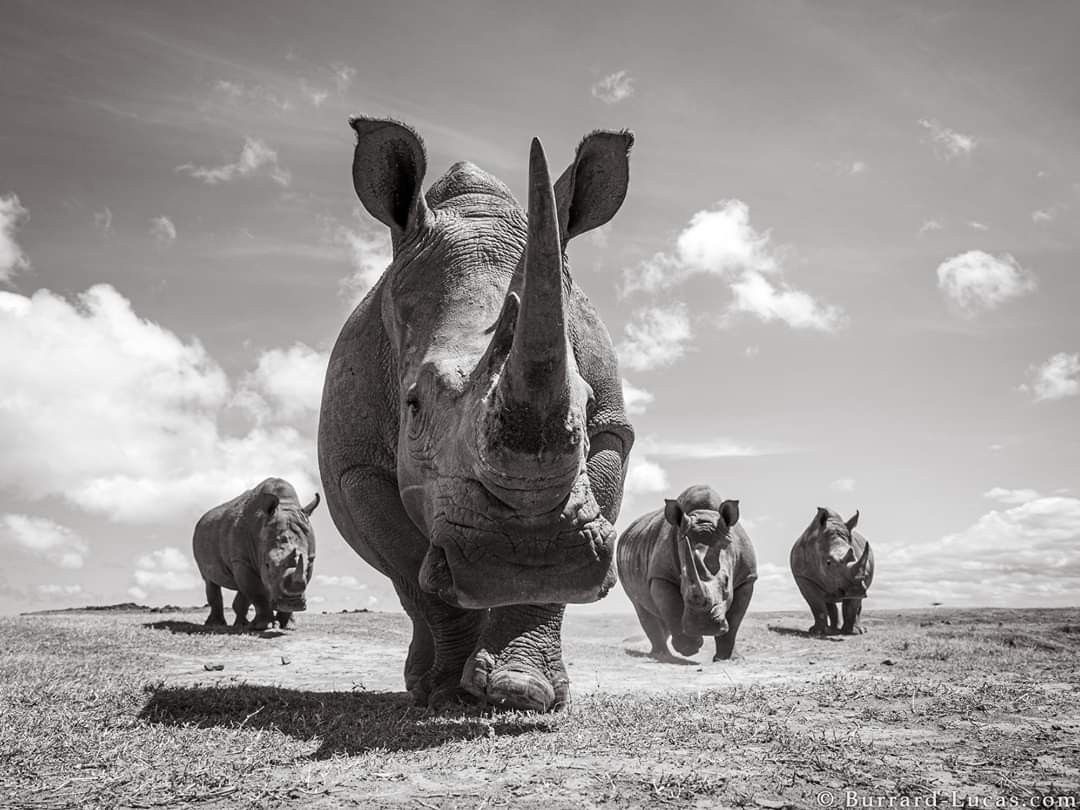
While females and calves may form small groups, mature males, known as bulls, are generally solitary and territorial. Rhinos also communicate through communal dung heaps known as middens. These scent-rich sites act as natural information hubs, allowing individuals to detect the identity, sex, reproductive status, and presence of other rhinos in the area.
As true mega-herbivores, rhinos play a powerful role in shaping the ecosystems they inhabit. Their grazing helps maintain open grasslands and can influence fire patterns, while browsing, seed dispersal, nutrient cycling, and wallowing reshape vegetation and create habitat for countless smaller species. Through their sheer size and ecological influence, rhinos help shape the landscapes around them.


The Next Generation
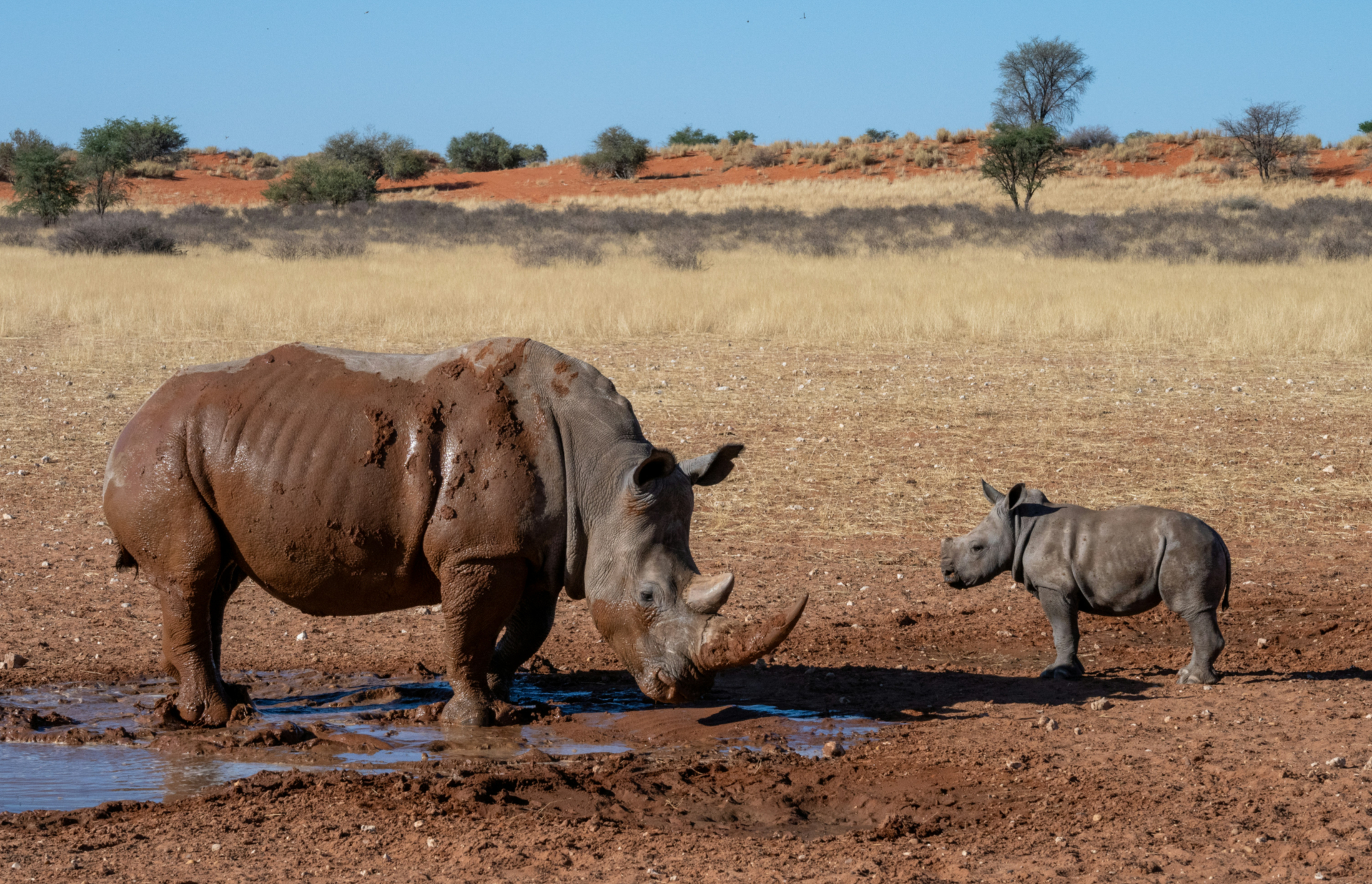
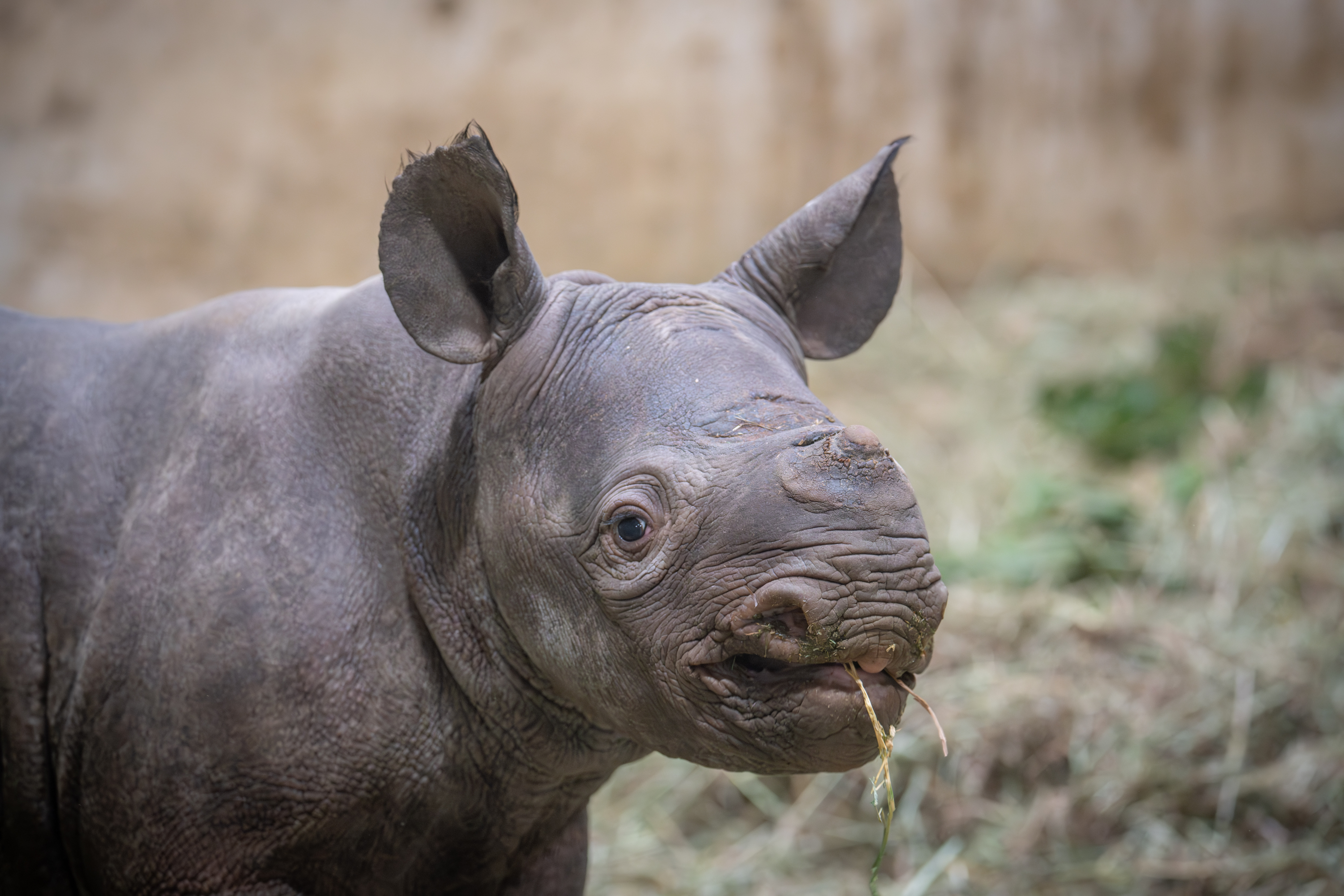
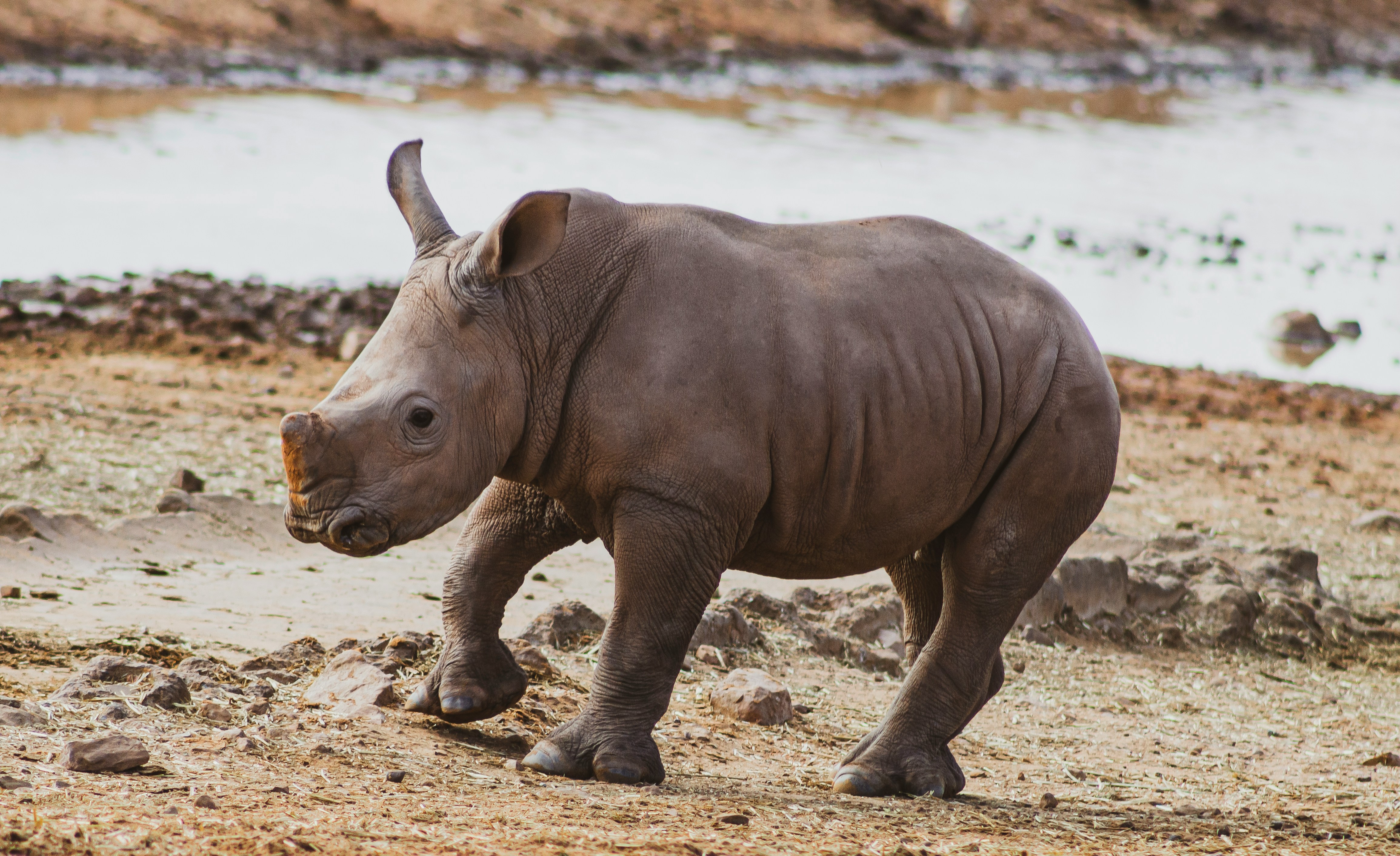
After a pregnancy lasting around fifteen to sixteen months, a mother rhino gives birth to a single calf weighing anywhere from roughly 35 to 65 kilograms (77 to 143 pounds), depending on the species. Unlike elephants, rhinos do not raise their young within large family herds. Instead, the calf's world revolves almost entirely around its mother, remaining close by her side as she provides milk, protection, and guidance. Born without a developed horn, the calf gradually begins growing one during its first months of life.
As the young rhino grows, it begins eating vegetation while continuing to nurse, learning where to feed, drink, wallow, and find shelter by following its mother through their habitat. The calf may remain with its mother for two to four years, depending on the species. The mother eventually encourages the older calf to become independent, often as she prepares to give birth again. By then, the young rhino has learned the landscape it will need to navigate and is ready to leave its mother’s side and begin life on its own.
Three Toes. Several Tons.
Rhinos carry bodies weighing up to several tonnes on just three toes on each foot. Beneath each foot is a broad, cushioned pad that helps distribute their immense weight as they move across grasslands, forests, and muddy terrain.
Nature’s Sunscreen.
Rhinos regularly roll in mud to cool themselves, but the coating serves another purpose. Once spread across their thick skin, mud can help shield them from the sun and insect bites, forming a temporary natural layer of protection.

Did you know?
_edited.jpg)

Where They Roam
Rhinos once ranged across much of Africa and Asia, but today their surviving populations are restricted to fragmented strongholds. White and black rhinos remain primarily in eastern and southern Africa, while the greater one-horned rhino survives in India and Nepal. The Javan rhino is confined to a single population in Indonesia’s Ujung Kulon National Park, while the Sumatran rhino survives only in small, isolated populations in Indonesia.

The Amazon is the largest tropical rainforest on Earth, spanning 6.7 million square kilometers across nine South American countries.


The African savanna in Tanzania
Photo by Sacha Specker
Why Rhinos Matter
Rhinos are powerful ecosystem engineers. By grazing, browsing, wallowing, and moving through their habitats, they help shape vegetation, maintain open grasslands, redistribute nutrients, and create conditions that benefit many other species. Protecting rhinos also protects the wider landscapes and wildlife communities that depend on the same ecosystems.
Threats
Habitat Loss and Fragmentation
Agriculture, roads, settlements, mining, and other development continue to shrink and divide rhino habitat. Fragmentation can isolate populations, restrict movement, and make it harder for rhinos to find mates and suitable resources.
Small and Isolated Populations
For critically endangered species such as the Javan and Sumatran rhino, extremely small populations create additional risks. Low numbers reduce genetic diversity and leave populations highly vulnerable to disease, natural disasters, and reproductive failure.
Human-Rhino Conflict
As human development expands into rhino habitat, encounters with people can increase, creating pressure on already limited populations and making long-term coexistence more difficult.
Illegal Rhino Horn Trade
Poaching for rhino horn remains the most immediate threat to several rhino species. Organized criminal networks target rhinos for their horns, which are trafficked primarily for use in traditional medicine and as luxury status symbols.

The Illegal Rhino Horn Trade
What’s Happening . . .
The System Behind It . . .
Rhinos are illegally killed for their horns, which are trafficked through international black markets and sold primarily for use in traditional medicine and as high-value status symbols. Despite having no proven medicinal benefit beyond being made of keratin, the same protein found in human hair and nails, rhino horn can command extremely high prices and continues to drive poaching across parts of Africa and Asia.
Organized criminal networks move rhino horn through complex trafficking routes that can involve poachers, middlemen, corrupt officials, transport networks, and international buyers. Weak enforcement, porous borders, and sophisticated smuggling methods allow horn to move from protected areas into illegal markets, while online platforms and private networks can make transactions harder to detect.
Why It Matters . . .
Rhino populations recover slowly because females have long pregnancies and usually give birth to a single calf at a time. Losing breeding adults to poaching can therefore have consequences that last for decades. For the rarest species, where only tiny and isolated populations remain, the loss of even a few individuals can significantly affect the future of the entire species.
What Can Be Done . . .
Never buy rhino horn products: Avoid traditional remedies, carvings, jewellery, or other products containing rhino horn.
Support anti-poaching and protection efforts: Back organizations such as Save the Rhino International and the International Rhino Foundation, which support ranger patrols, monitoring, habitat protection, anti-poaching operations, and other frontline conservation work across Africa and Asia.
Reduce demand: Share accurate information about rhino horn and challenge claims that promote its medicinal or status value.
A horn worth more than the life it costs.


.png)
Conservation Efforts
Namibia: Save the Rhino Trust
Namibia’s north-west is home to the world’s largest free-ranging population of black rhinos outside a national park. Save the Rhino Trust works alongside local communities and the Namibian government, employing wildlife monitors and supporting patrols that have helped black rhino numbers recover across community conservancies.
Zinave National Park, Mozambique
After disappearing from the landscape for decades, rhinos returned to Zinave National Park in 2022 through a major translocation effort led by Peace Parks Foundation and conservation partners. Dozens of white and black rhinos have since been moved into the park, helping restore a breeding population in Mozambique.
Sumatran Rhino Sanctuary, Indonesia
Inside Way Kambas National Park, the Sumatran Rhino Sanctuary provides a protected, semi-wild environment for one of the rarest mammals on Earth. Managed through Indonesian conservation partners with support from the International Rhino Foundation, the sanctuary combines intensive protection, research, and a successful breeding program designed to prevent the Sumatran rhino from disappearing.
Ujung Kulon National Park, Indonesia
The entire surviving Javan rhino population is confined to Ujung Kulon National Park, making protection of this single landscape critical to the species’ survival. Conservation teams supported by the International Rhino Foundation use intensive monitoring, habitat management, and strengthened anti-poaching security to protect the remaining population.
Strategic Translocations
Rhinos are sometimes moved from high-risk, isolated, or overcrowded populations into carefully selected protected areas. These translocations can establish new breeding populations, improve genetic connectivity, and reduce the risk of losing an entire population to poaching, disease, or local disasters.
Dehorning
In some African reserves, conservation teams temporarily remove rhino horns to make individuals less attractive to poachers. The procedure is carried out by veterinary teams and must be repeated as the horn regrows. Dehorning is not a substitute for security, but when combined with intensive monitoring and anti-poaching patrols, it can significantly reduce poaching risk.